
"raw coffee caffeine"
5000 article(s) found

Colombian decaf beans how to handle Colombian decaf coffee
Professional baristas please follow the coffee workshop (Wechat official account cafe_style) Columbia Supremo Swiss water treatment of low-caffeinated coffee (using activated carbon to absorb caffeine) Colombia Supremo Swiss Water Decaf roasted hazelnuts, toast, dark chocolate bitterness, taste like traditional low-acidity coffee roasting degree: medium and deep roasting Swiss water treatment
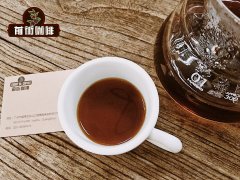
How to produce decaf coffee? Solvent extraction supercritical fluid extraction water treatment
Having a cup of coffee in the morning to kick off the day's work has become a daily ritual for many people, and even tasting coffee has become a social activity. However, the problem that bothers many people is that although they like the unique smell of coffee, they do not want coffee to be too "refreshing" to affect their daily life. Decaf coffee (decaf coffee, also known as decaf coffee)

How to handle decaf beans? which cafes have decaf? price list of decaf beans
Professional coffee knowledge exchange more coffee bean information Please follow the coffee workshop (Wechat official account cafe_style) many Americans are experimenting with decaffeinated coffee in the hope of getting a perfect cup of coffee that only tastes coffee but does not stimulate the nervous system. But is decaffeinated coffee really decaffeinated? What's the difference between non-caffeinated and natural decaffeinated? Take away the coffee from the coffee

CO2 decaf treatment of Colombian decaf coffee
Professional baristas exchange please follow the coffee workshop (Wechat official account cafe_style) product introduction 1, solvent extraction 1. Direct extraction method: the raw coffee beans are softened, and then heated with high temperature (pressure) steam to expand the surface of the raw coffee beans, so that the contact area of the raw coffee beans increases, and then the dichloromethane solvent is poured into the bean to come into contact with the solvent. extract caffeine from coffee
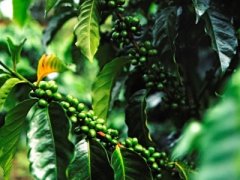
Roasting experience sharing in-depth analysis of coffee roasting skills and basics
Roasted coffee transforms the chemical and physical properties of raw coffee beans into roasted coffee products. The roasting process causes raw beans to expand and change their color, taste, smell and density, resulting in the special flavor of coffee. Unroasted coffee beans and roasted coffee beans contain similar acidity, protein and caffeine, but lack their good taste. The process needs enough heat to speed up beauty.
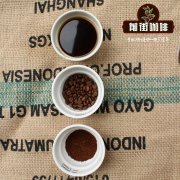
What is decaf-- what are the characteristics of solvent-treated coffee?
Professional coffee knowledge exchange more coffee bean information please pay attention to the coffee workshop (Wechat official account cafe_style) decaf coffee decaf coffee, as the name implies is only trace caffeine coffee. Coffee contains many ingredients and substances, among which caffeine has an obvious effect on the human body. For many people who are addicted to coffee, but their physical condition does not allow caffeine

Fine Coffee: a detailed Analysis of the components of Coffee beans
★ volatile compounds: volatile compounds are the main source of coffee flavor, especially important for coffee quality. There are many kinds of volatile substances in coffee, and their existence will affect the aroma quality of coffee. Its main source is derived from non-volatile substances in raw beans which are disconnected or derived after reaction in the process of roasting. The role of thermal decomposition, other reactions, or compositions, such as sugar.
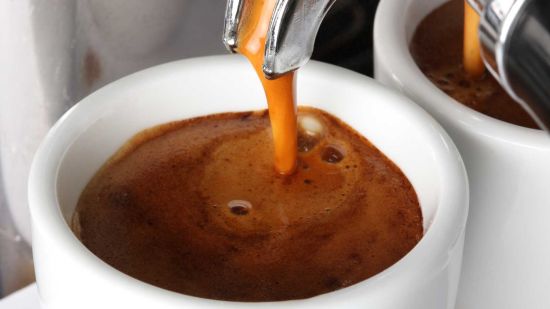
How does decaffeinated coffee remove caffeine?
Coffee that removes more than 90% of the caffeine becomes decaffeinated coffee (Decaffeinated coffee, called Deccaf). In the past, organic solvents were generally used to remove caffeine, but it is now banned in Japan because of residual solvents and possible carcinogens. At present, decaffeinated coffee, which is mainly circulated in Japan, is a product that removes caffeine with water or carbon dioxide. Although
Detailed analysis of coffee bean ingredients
Volatile substances: Volatile substances are the main source of coffee flavor and are especially important for coffee quality. There are many kinds of volatile compounds in coffee, and their existence will affect the aroma quality of coffee. The main source is derived from non-volatile substances from raw beans, which are broken off or reacted during roasting. Thermal decomposition, other reactions, or interactions between components, e.g. sugar

Supercritical treatment of carbon dioxide-- the most expensive treatment of low-caffeine coffee
Professional coffee knowledge exchange more coffee bean information Please pay attention to coffee workshop (Wechat official account cafe_style) Coffee is very rich in substances, but the greatest impact on the human body is always caffeine. Coffee with a small amount of caffeine is called decaf (Decaf Coffee). How much does a small number of two words mean? Let's simply look at a few sets of data and make it clear. Ah

Decaf Coffee Bean Story Decaf Coffee Flavor Features Decaf Coffee Advantages and Disadvantages
Professional barista communication, please pay attention to coffee workshop (Weixin Official Accounts cafe_style)[coffee is delicious, remember not greedy cup] refers to coffee contains caffeine, front street coffee reminds you, proper caffeine can refresh, eliminate fatigue. Excessive caffeine can lead to poisoning. Decaf coffee removes most of it.
Is caffeine the source of coffee bitterness? The bitterness of coffee comes from roasting
For more information on coffee beans, please follow the coffee workshop (official Wechat account cafe_style). Everyone thinks that caffeine is the reason for the bitter taste of coffee, but in fact, caffeine accounts for only 10% of the bitter ingredients. As we said earlier, the concentration of caffeine in roasted beans is not affected by the degree of roasting, and decaf also tastes bitter, so we
Basic knowledge of boutique coffee bean ingredients
★ volatile compounds: volatile compounds are the main source of coffee flavor, especially important for coffee quality. There are many kinds of volatile substances in coffee, and their existence will affect the aroma quality of coffee. Its main source is derived from non-volatile substances in raw beans which are disconnected or derived after reaction in the process of roasting. The role of thermal decomposition, other reactions, or compositions, such as sugar.
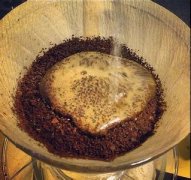
Detailed analysis of volatile compounds in coffee beans
★ volatile compounds: volatile compounds are the main source of coffee flavor, especially important for coffee quality. There are many kinds of volatile substances in coffee, and their existence will affect the aroma quality of coffee. Its main source is derived from non-volatile substances in raw beans which are disconnected or derived after reaction in the process of roasting. The role of thermal decomposition, other reactions, or compositions, such as sugar.

Detailed Analysis of the components of Coffee beans
★ volatile compounds: volatile compounds are the main source of coffee flavor, especially important for coffee quality. There are many kinds of volatile substances in coffee, and their existence will affect the aroma quality of coffee. Its main source is derived from non-volatile substances in raw beans which are disconnected or derived after reaction in the process of roasting. The role of thermal decomposition, other reactions, or compositions, such as sugar.
Volatile compounds are the main source of coffee flavor.
★ volatile compounds: volatile compounds are the main source of coffee flavor, especially important for coffee quality. There are many kinds of volatile substances in coffee, and their existence will affect the aroma quality of coffee. Its main source is derived from non-volatile substances in raw beans which are disconnected or derived after reaction in the process of roasting. The role of thermal decomposition, other reactions, or compositions, such as sugar.

Barista training knowledge: detailed analysis of coffee bean components
★ volatile compounds: volatile compounds are the main source of coffee flavor, especially important for coffee quality. There are many kinds of volatile substances in coffee, and their existence will affect the aroma quality of coffee. Its main source is derived from non-volatile substances in raw beans which are disconnected or derived after reaction in the process of roasting. The role of thermal decomposition, other reactions, or compositions, such as sugar.
What are the chemical constituents in a coffee bean?
★ volatile compounds: volatile compounds are the main source of coffee flavor, especially important for coffee quality. There are many kinds of volatile substances in coffee, and their existence will affect the aroma quality of coffee. Its main source is derived from non-volatile substances in raw beans which are disconnected or derived after reaction in the process of roasting. The role of thermal decomposition, other reactions, or compositions, such as sugar.
Detailed Analysis of the components of Coffee beans in Coffee Encyclopedia
★ volatile compounds: volatile compounds are the main source of coffee flavor, especially important for coffee quality. There are many kinds of volatile substances in coffee, and their existence will affect the aroma quality of coffee. Its main source is derived from non-volatile substances in raw beans which are disconnected or derived after reaction in the process of roasting. The role of thermal decomposition, other reactions, or compositions, such as sugar.
Detailed Analysis of the components of Coffee beans in the training of baristas
★ volatile compounds: volatile compounds are the main source of coffee flavor, especially important for coffee quality. There are many kinds of volatile substances in coffee, and their existence will affect the aroma quality of coffee. Its main source is derived from non-volatile substances in raw beans which are disconnected or derived after reaction in the process of roasting. The role of thermal decomposition, other reactions, or compositions, such as sugar.